
Oral & Maxillofacial Surgery
Oral & Maxillofacial Surgery
Procedures in dental surgery and oral and maxillofacial surgery involve treatment within the oral cavity and neighbouring tissues. At our practice, procedures in oral and maxillofacial surgery are carried out by a dentist holding a specialisation in this field. In our practice, these procedures are most often an integral part of the overall dental treatment plan, eliminating sources of infection, relieving pain, and preparing the mouth for the restoration of missing teeth.
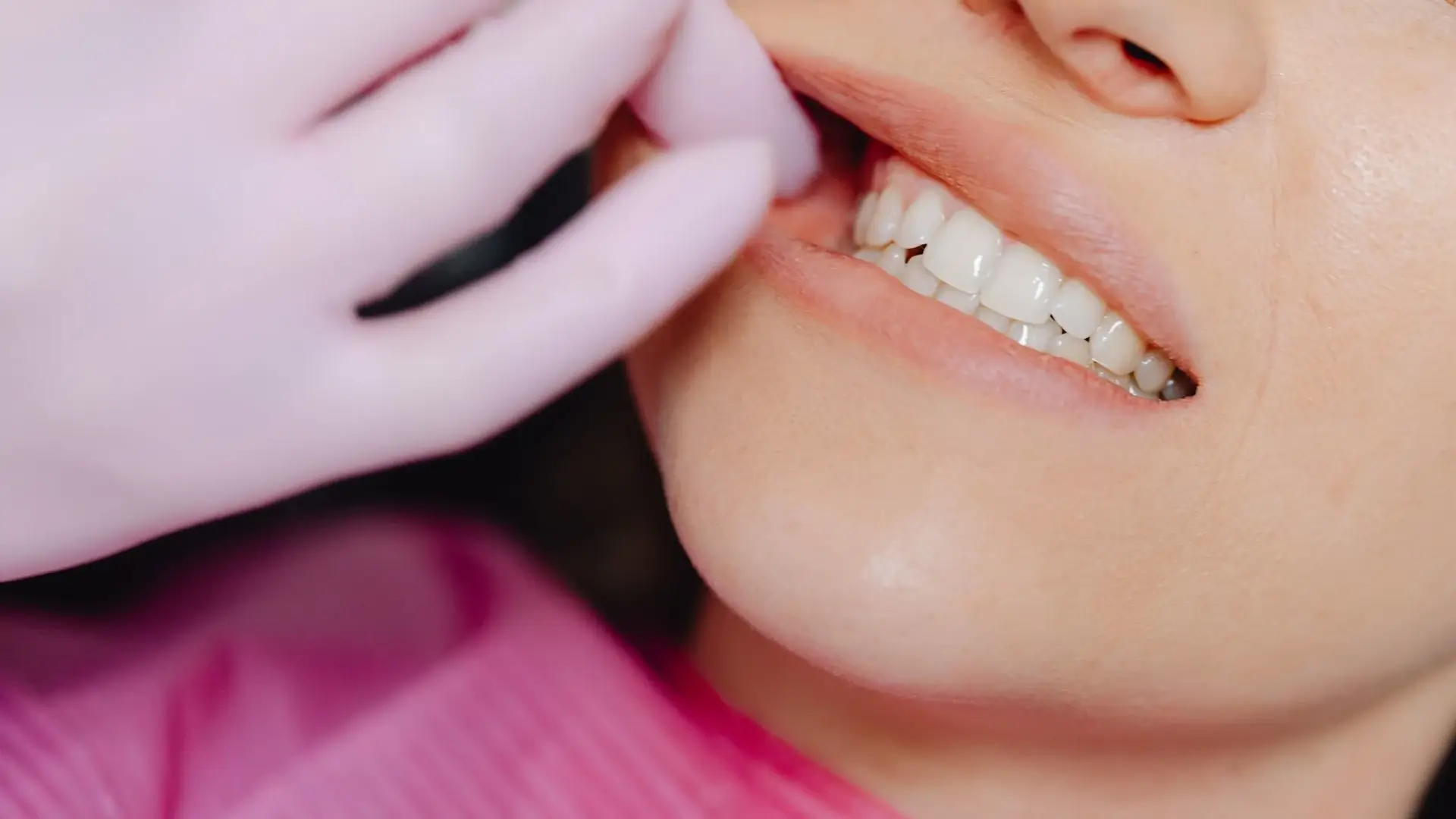
We understand that a visit to the surgeon can be a source of anxiety. That’s why every procedure is preceded by detailed radiological diagnostics and planning, and we carry out procedures using well-established local anaesthesia methods, taking care to keep the patient as comfortable as possible during the visit.
We carry out the removal of impacted teeth, partially erupted teeth, and teeth damaged to a degree that rules out saving them through conservative or endodontic methods. We also prepare tissue for further implant or prosthetic treatment.
Frequently asked questions
1. When should wisdom teeth be removed?
There’s no single, universal answer to this question, since every case requires an individual medical assessment. The decision to extract a wisdom tooth is made by the oral surgeon based on a detailed clinical examination and analysis of a current X-ray, most often a panoramic scan, or a CBCT scan, which allows a precise assessment of how the tooth’s roots run in relation to the nerves.
The most common indications for removing wisdom teeth include:
- Insufficient space in the dental arch, causing crowding or shifting of the remaining teeth
- Partial eruption of the tooth, creating a gum pocket around it that’s hard to clean and prone to recurring inflammation and pain
- Deep decay that cannot be properly treated using conservative or endodontic methods
- Teeth impacted within the bone that press on the roots of neighbouring teeth (second molars) or cause cysts to form
- Indications arising during planned orthodontic or prosthetic treatment
2. How long does the wound take to heal after wisdom tooth extraction?
The tissue-regeneration process after a surgical procedure happens in stages, and is influenced by the individual’s regenerative capacity and how complex the procedure was:
- Healing of soft tissue (mucous membrane): initial wound closure and surface healing of the gum usually occurs within 7 to 14 days after the procedure. If non-dissolving stitches were placed, the patient comes back during this time to have them removed.
- Healing of hard tissue (bone): full remodelling and regeneration of the bone structure at the site of the removed tooth root is a longer-term process and takes, on average, up to 12 weeks.
3. What are the key recommendations after tooth extraction?
Correct behaviour after a surgical procedure is key to proper clot formation (which protects the bone) and to minimising the risk of complications (such as dry socket).
During the post-procedure period, the following guidelines should be strictly followed:
- Diet and eating: for the first few days, a soft, semi-liquid diet is recommended. Food and drink should be cool or at room temperature. Hot, hard, and heavily spiced foods should be strictly avoided, as they could irritate the wound or trigger bleeding.
- Oral hygiene: when brushing, carefully avoid the surgical area, to prevent mechanical damage to the wound or dislodging the clot. For the first 7 days after the procedure, avoid vigorous rinsing of the mouth (even with plain water) – instead, gently swish liquids and let them flow out on their own.
- Reducing swelling and pain: to reduce natural swelling, cold compresses on the cheek are recommended (in a cycle of 10–15 minutes on, 10–15 minutes off). Painkillers and any anti-inflammatory medication or antibiotics prescribed by the dentist should be taken exactly as directed.
- Absolutely no smoking: smoking (including e-cigarettes) is strictly prohibited for a minimum of 72 hours after the procedure (ideally for 7 days). Tobacco smoke disrupts the healing process and can lead to inflammation.
- Physical activity: for the first few days after the procedure, avoid strenuous exercise, heavy lifting, bending over, and using a sauna or sunbed, since increased blood pressure can trigger secondary bleeding from the wound.
Why us?
Empathy
An approach that understands your concerns. We know a dental visit can be stressful, so we focus on conversation, clear explanations, and your own pace - never rushing.
Comfort
The use of appropriately chosen anaesthesia techniques and suitable equipment is aimed at reducing pain and discomfort for the patient during procedures.
Experience
Our treatments draw on the team's many years of experience, covering both more complex cases and routine visits.
Interior atmosphere
Interiors designed with attention to detail make the visit a more pleasant experience than a standard appointment.
Comprehensive dental care
We offer convenient online booking through our e-registration system at any time of day. Every appointment booking is verified and confirmed by us.